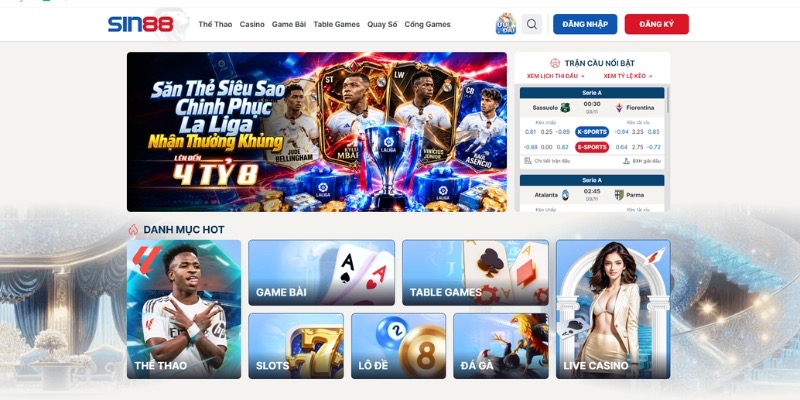
Check which event each feed has confirmed starts with a clear question about the material on screen. The wording of a heading can suggest a wider claim than the details underneath it. Read the relevant labels and context together, then keep a short note of the information you can actually verify.
Check which event each feed has confirmed

Use the reference labelled keonhacai to identify the subject of the first page. Start with its heading, then locate the detail that answers your immediate question. If the page combines an introduction with instructions, keep their roles separate when taking notes.
If one feed shows a late goal and the other still shows the earlier score, compare the event time and status. One feed may be waiting for confirmation. Keep both readings separate until the scorer and current score are clear.
When sources disagree, compare their timestamps, the status of the match and the type of result they display. You can leave a record pending until the relevant details are available. If you share a live update, label it as such. This preserves the context for someone opening the message after the game or from a different time zone.
Separate reported facts from a preview writer’s assumptions. A confirmed team sheet has a different status from a predicted lineup. Travel, rest and injuries can be relevant to a discussion, but the link between those details and a forecast still needs an explanation. When two articles differ, identify which assumption differs first. This often reveals more than comparing the confidence of their wording.
Reading the result in context
The label Livescore points to a second reference. Read it alongside the exact fixture, product, device or account stage you are checking. The context determines which part of the page you can use and which questions need a separate source.
Verify the competition, season and local time before recording a result. Similar team names and matches around midnight can lead to confusion across sources. Keep the round or date with the score. A fixture list answers a question about timing, while a results table answers a question about an outcome. Each record is easier to use when the source and timestamp are still visible.
A useful match note records the fixture, source, update time and one outstanding question. For example, a comment about recent form should say which matches it counts. A cup match may have a different lineup or format from a league match. Keep the example tied to the competition and period it actually describes. When the source offers a forecast, identify the assumptions that would need to hold.
On a phone, read the full label before pressing a button. A narrow screen can shorten a warning or make two controls look similar. Open the relevant help text and check whether a step only displays information or submits something. If the screen is unclear, pause and return with a more specific question. A short session with a clear purpose is easier to review than a long sequence of actions.
Recording the information for later use
Check the match status before treating a score as final. A live display can change, and postponed fixtures can have a label that is missing from a cropped screenshot. In a knockout match, record regular time, extra time and penalties separately where the source distinguishes them. This keeps the note clear when you compare the match with another report.
Read points together with games played. A postponed match can make two positions difficult to compare at a glance. Check the competition rules for tiebreakers and verify which phase the table covers. A group table and an overall table can differ because they answer different questions. Keep the update time beside the table if you expect to refer to it later.
Identify the competition, teams, date and time before comparing any figures. A fixture can appear on a schedule, a preview and an in play table, each with its own update time. Save the market label together with the figure if you need to refer back to it. A screenshot without that label can make two different figures appear comparable.
A page can be evaluated on whether it answers the question you actually have. For a game, that might mean clear rules and a readable example. For an account, it might mean a recovery route and an explanation of what data is required. Record what the page explains and what still needs a source. A small record is easier to revisit when you find a conflicting description later.
Conclusion
Keep the page, timestamp and relevant condition together when you record an answer. The next visit can start with the specific question still open. This is particularly useful when the screen has changed since you saved a note or when another source uses a different label.